May
2024
From launching our first investigation in Chile to holding companies accountable to their animal welfare commitments, we continue to drive meaningful change for farmed animals around the world. Additionally, our influence on the Farm Bill and our prestigious environmental-award nomination highlight our ability to bring factory farms into pivotal policy conversations.
Sparing Male Chicks
United States
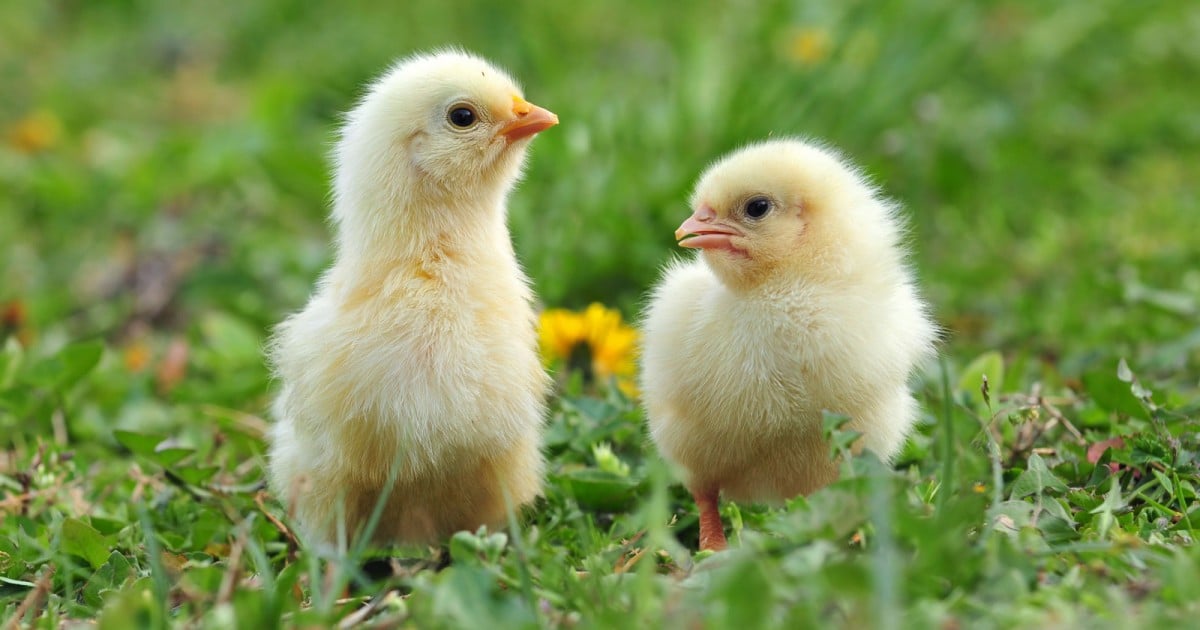
After several meetings with Mercy For Animals, new U.S. egg producer Kipster announced they would switch to in-ovo sexing. Typically, male chicks in the egg industry are killed shortly after hatching because they are of no use to the industry. In-ovo sexing avoids this killing by enabling producers to identify eggs holding male embryos and destroy the eggs before the embryos develop into sentient chicks. This practice had not been introduced in the United States, making Kipster an industry pioneer. The company’s policy will spare tens of thousands of male chicks per year from gruesome deaths.
Launching Our First Chilean Investigation
Chile
Our first investigation in Chile found hens confined in cages so small the birds could hardly move. These hens were forced to stand on hard wire 24 hours a day. Workers roughly grabbed multiple birds by their legs and carried them upside down from the cages to transport carriers, causing the birds to cry out in agony.
Some of the country’s largest media outlets, including AS.com, El Mostrador, and Cooperativa, covered the investigation.
We urge Chilean companies to end this extreme confinement by banning cages for hens.
Leading a Historic Demonstration for Shrimp
Global
On May 30, Mercy For Animals hosted one of the first major demonstrations for farmed shrimp. Over 70 volunteers and team members gathered outside a prominent Tesco location in London. The demonstration aimed to compel Tesco, the UK’s largest retailer, to ban two of the cruelest practices in its shrimp supply chain: eyestalk ablation and the use of ice slurry during slaughter.
Eyestalk ablation is the practice of cutting off the eyes of female shrimp used for breeding. By damaging a hormonal gland behind their eyes, the procedure forces female shrimp to mature faster and release more eggs. Eyestalk ablation has been shown to harm shrimp growth, reduce egg quality, and elevate mortality rates.
In ice-slurry stunning, shrimp are dumped into an ice bath meant to render them unconscious before slaughter. But the method often fails, and many shrimp are crushed to death or suffocate. We are urging Tesco to require electrical stunning, widely considered more efficient and less cruel.
These changes would have an enormous impact, as Tesco sources about five billion shrimp each year.
During the demonstration, volunteers distributed nearly 1,000 flyers to passersby and called on the retailer to “leave animals’ eyes on their heads” and “stop suffocating animals.”
Holding Companies Accountable to Animal Welfare Commitments
United States, Latin America
Sprouts Farmers Market reported progress toward fulfilling their Better Chicken Commitment. The company improved in several key areas from 2022 and even published movement on its transition to slower-growth chicken breeds.
Alsea—a Latin American holding company that oversees brands including Starbucks, Domino’s, and Burger King—recently reported that 24% of the eggs served in their establishments are from cage-free hens.
For the first time, Lessing’s Food Service Management, a U.S. foodservice provider with an annual revenue of $155 million, published Better Chicken Commitment progress and a roadmap for fully meeting the commitment. This came after several rounds of outreach from Mercy For Animals to the company’s executives and university clients.
In another first, Sodexo, a multinational foodservice company that operates programs in university dining halls and other venues, published progress on welfare improvements in their chicken supply chain. The company also published a plan for meeting its commitment for U.S. operations. We continue to engage the company to improve its plan.
6
Companies Moved to Publish Progress
Influencing the Farm Bill
United States
The Farm Bill is a massive piece of U.S. legislation that governs a wide range of agriculture and food programs. It is typically renewed every five years, but its 2023 deadline has been extended. We have strongly advocated that farmed animal protection be prioritized in the bill, and two of our asks—concerning factory-farm transitions to plant-based operations and mandatory federal reporting on mass on-farm animal killings—have made it into the Senate’s Farm Bill outline.
Earning a Nomination for a Renowned Environmental Award
United States
Transfarmation™ has been named one of seven finalists for the Curt Bergfors Food Planet Prize, a prestigious global environmental award. This recognition is a tremendous honor. Five dedicated Transfarmation members, who continue to advance our mission and advocate for farmers, led the rigorous application process.
As this nomination underscores, collaborating with farmers to create a just and sustainable food system can significantly impact the world.
Making Plant-Based Milk the Default
United States
Caribou Coffee’s featured summer beverage, “Fruit Shakers,” is made with coconut milk by default. Our conversations with Caribou have been productive since last year when we helped influence their holiday drink menu to feature three drinks that were plant-based by default.
Growing Our Global Capacity
Through investigations and public engagement, Mercy For Animals opens eyes and hearts to the suffering farmed animals endure. Our videos, websites, and print resources empower people to join our mighty movement.
9.1 Million
Social Media Impressions
Brazil: 1.8 Million
Mexico: 5 Million
United States: 2.1 Million
India: 252,830
4.6 Million
Online Video Views
Brazil: 351,325
Mexico: 3.8 Million
United States: 539,494
India: 2,181
51
Media Mentions
Brazil: 11
Mexico: 21
United States: 19
20
Media Hits in Top 50 Outlets
Brazil: 4
Mexico: 15
United States: 1
New Videos Produced This Month
Meet more incredible companies that make our impactful work possible.
The meat industry treats animals like objects.
VIEW OUR YEAR-TO-DATE PROGRESS AT MERCYFORANIMALS.ORG/IMPACT
Become an Animal Ally
Your monthly gift will fuel the fight to end factory farming.
“What keeps me focused is to remember that we are their only hope.”
—Camilla, an undercover investigator in Brazil